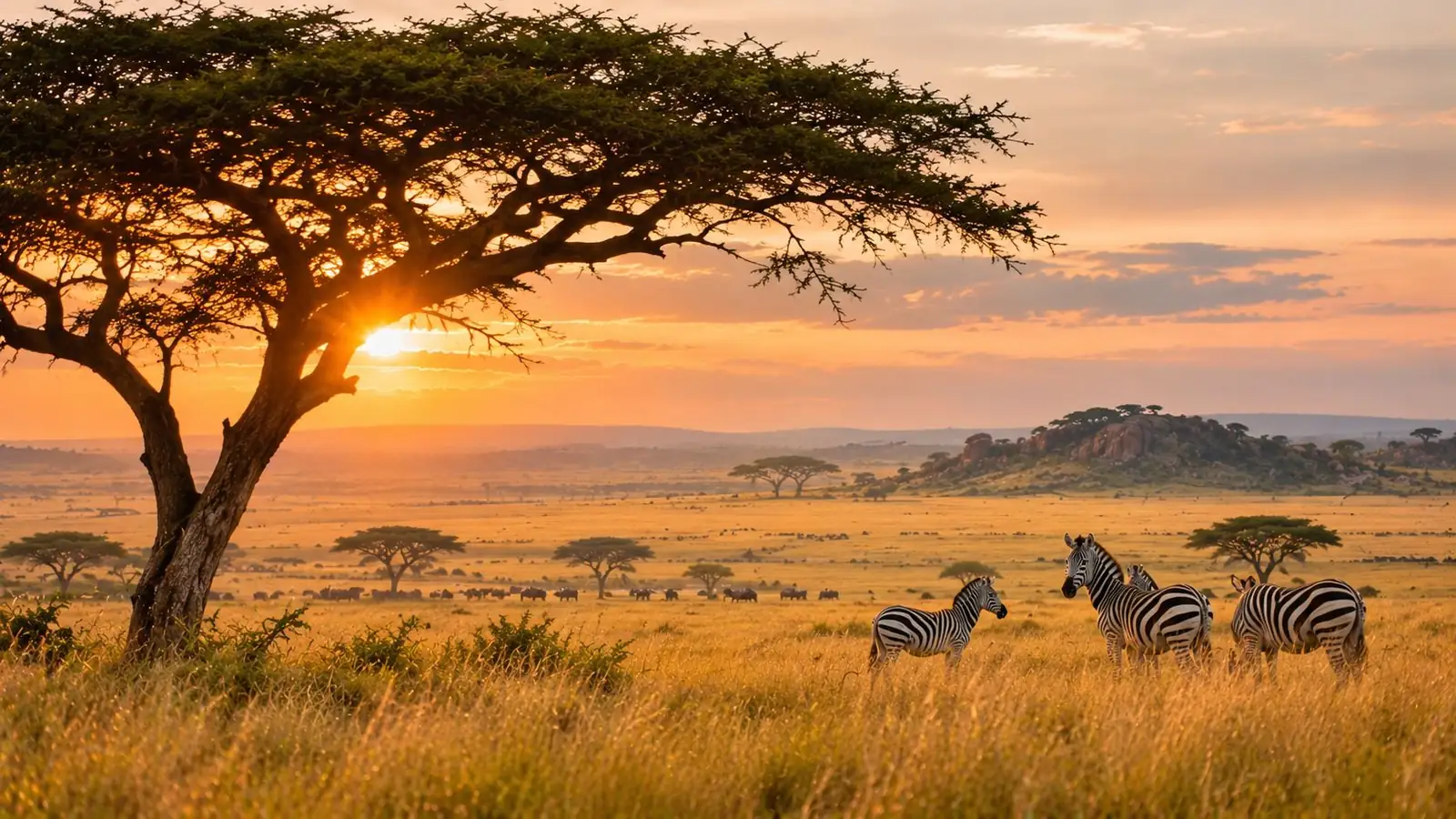
Zebras beneath an umbrella acacia in the Serengeti at sunset, with herds of wildebeest and granite outcrops behind
Home · Destinations · Tanzania

Tanzania – endless plains, great herds

Hundreds of thousands of wildebeest and zebras move across the plains of the Serengeti, buffalo graze beneath the steep walls of the Ngorongoro Crater, and in Tarangire herds of elephants wander between ancient baobabs. Tanzania is safari in its most classic form – with landscapes so vast you can't see where they end. Ideal for a first safari, yet full of surprises for those who already know Africa.

East Africaon the Indian Ocean, between Kenya and Mozambique
Dodomacapital; the largest city is Dar es Salaam
Tanzanian shillingUS dollars are widely used in tourism
Swahili & EnglishEnglish is widely spoken at lodges and camps
Visa requirede-visa or on arrival, plus mandatory entry insurance since October 2026
+2 hoursduring the German winter, +1 hour in summer
Type D and Gsockets – bring a travel adapter
June to OctoberDry season – the most popular time for safaris
From the Serengeti to Lake Tanganyika

Tanzania's most beautiful regions

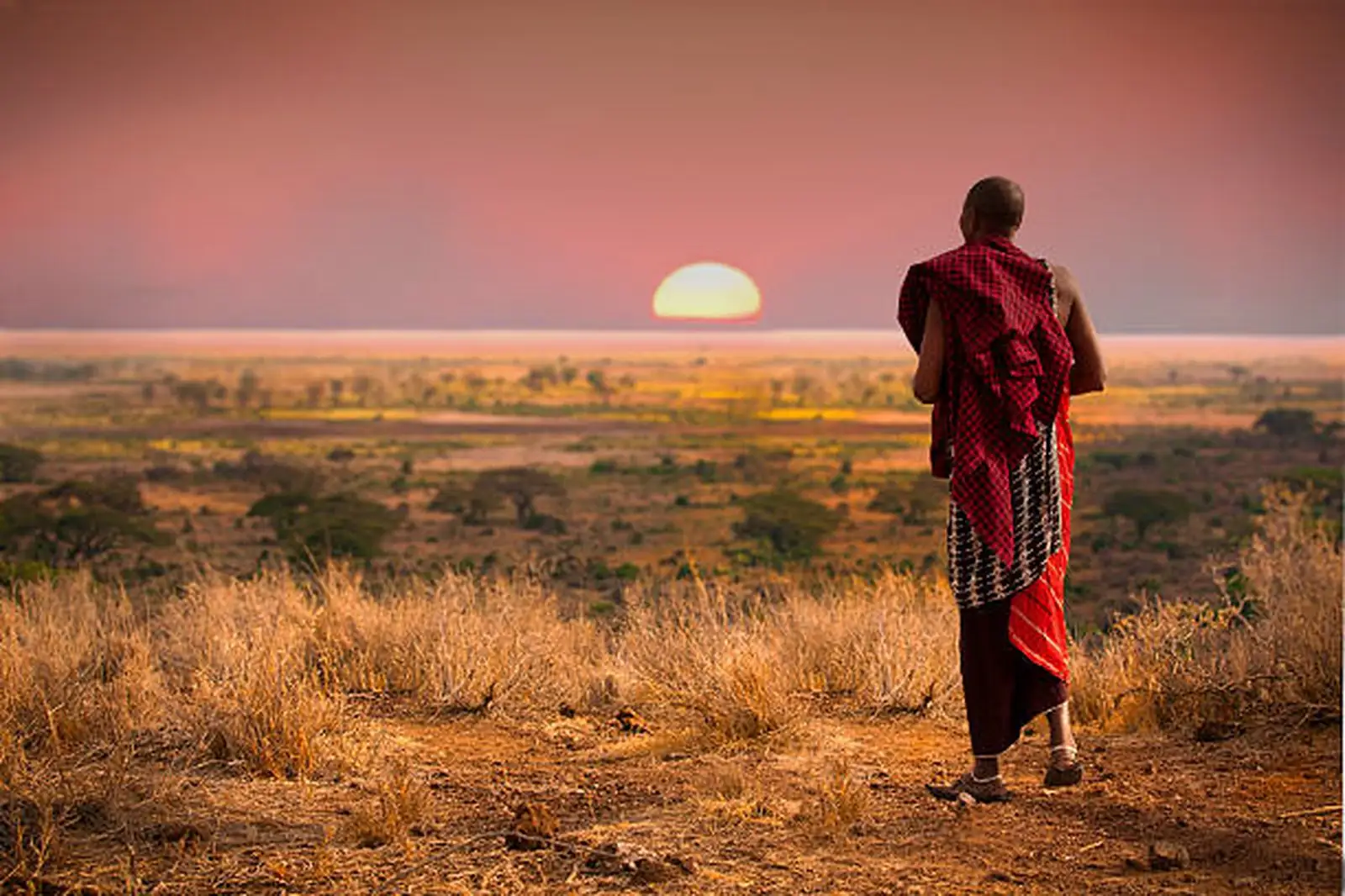
Maasai man looking out over the vast savannah at sunset
Region I

Serengeti National Park

The Serengeti is Africa's best-known national park and a UNESCO World Heritage Site. Endless grassy plains, acacias and granite outcrops shape the landscape. In addition to the Great Migration, lions, leopards, cheetahs, elephants and giraffes live here all year round. Depending on the season, very different parts of the huge park are worth visiting.

Plan at least three nights, ideally in two different areas of the Serengeti.
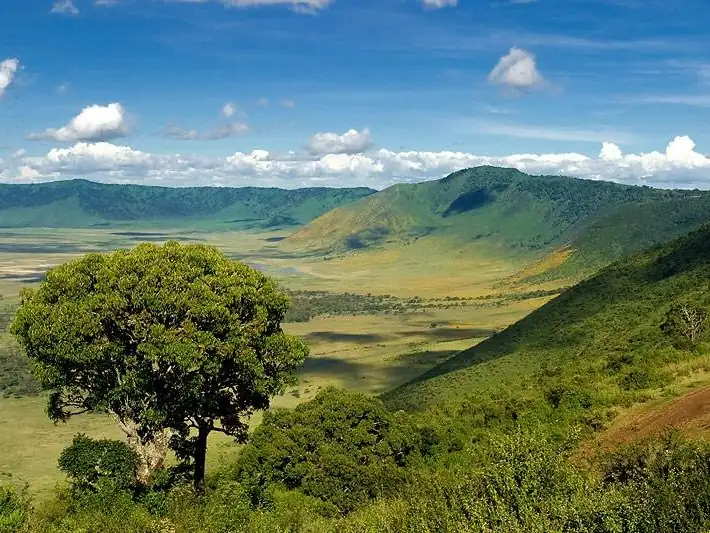
View from the crater rim over the green Ngorongoro Crater
Region II

The Ngorongoro Crater

The Ngorongoro Crater is a collapsed volcano whose floor is enclosed by steep green walls. Lions, buffalo, zebras, wildebeest, hippos and, with a little luck, black rhinos live here in a small area. The crater is part of the Ngorongoro Conservation Area, where Maasai also live with their herds.

Head into the crater early in the morning – the light is at its best and there are still few vehicles about.

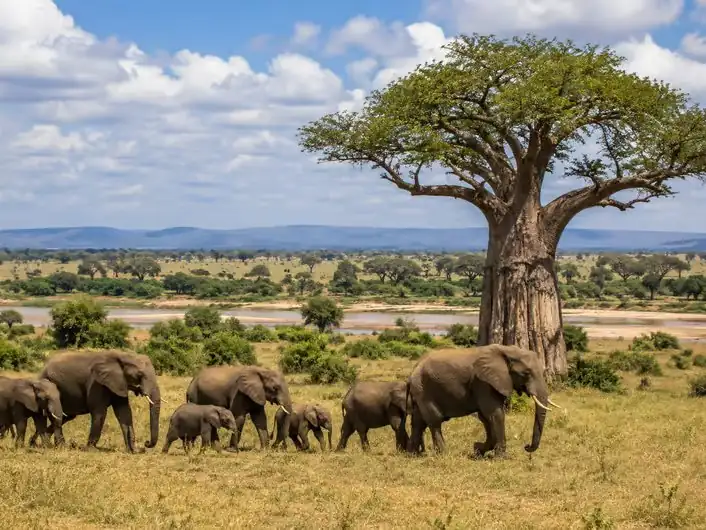
Elephant family passing a baobab in Tarangire
Region III

Tarangire National Park

Mighty baobabs, the Tarangire River and large herds of elephants make this park special. In the dry season the river is the region's most important source of water, and many animals move to its banks. Tarangire is close to Arusha and is often the first stop on a northern safari.

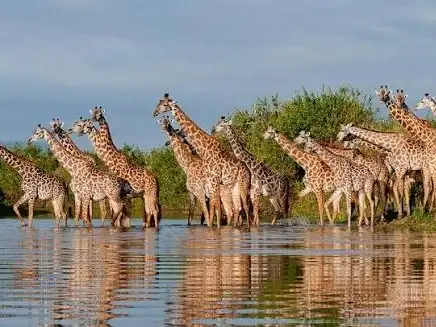
Giraffes standing in the water, reflected in the river
Region IV

The south: Nyerere and Ruaha

If you're looking for peace and space, you'll find it in the south. In Nyerere National Park, formerly the Selous, the Rufiji River and its lakes shape the landscape – boat safaris are possible here too. Ruaha is known for its large lion prides and its wild dogs. Both parks receive far fewer visitors than the north.

In the south, many lodges close during the rainy season, usually from around March or April to May.

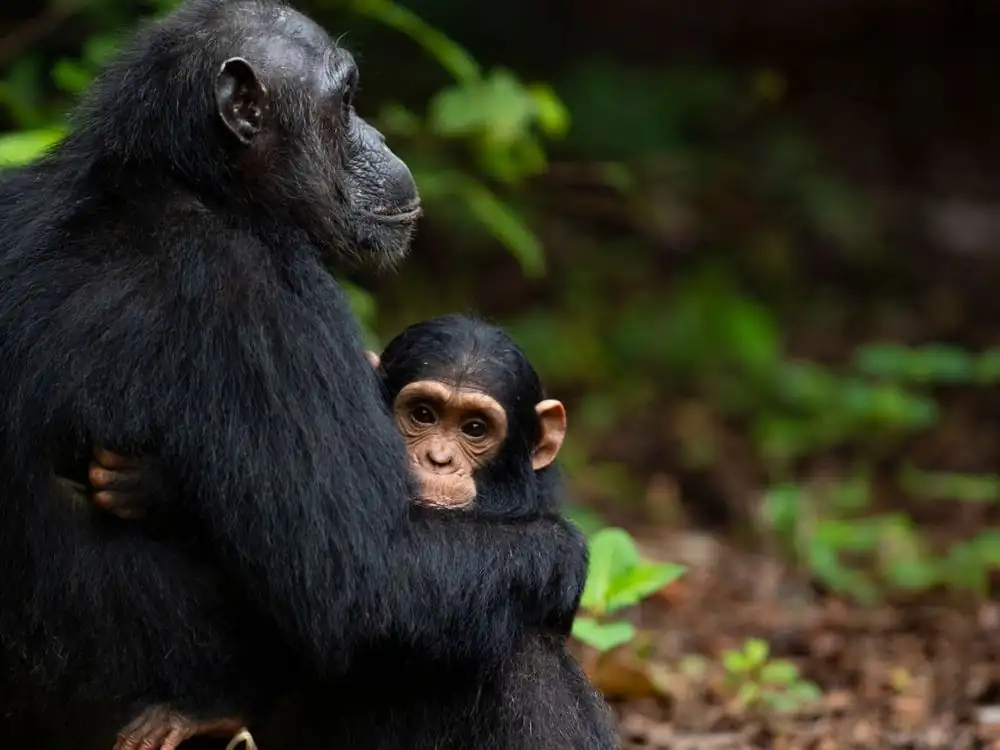
Chimpanzee mother holding her baby in the forest
Region V

Mahale Mountains on Lake Tanganyika

In the far west, forested mountains rise straight out of the clear water of Lake Tanganyika. Mahale Mountains National Park is one of Tanzania's most remote parks: there are no roads, and you arrive by light aircraft and boat. In return, numerous chimpanzees live here, and a habituated group can be visited on foot in the forest.

Under national park rules, chimpanzee trekking is possible from the age of 12.
The dry season is best.

Experience the wilderness

Nature and wildlife

Tanzania combines open grass savannah, acacia and miombo woodland, river landscapes and the highlands around the Ngorongoro Crater.
Lions, leopards, cheetahs, elephants, buffalo, giraffes, zebras, hippos and many antelope species live here, along with exceptionally rich birdlife.

The Great Migration

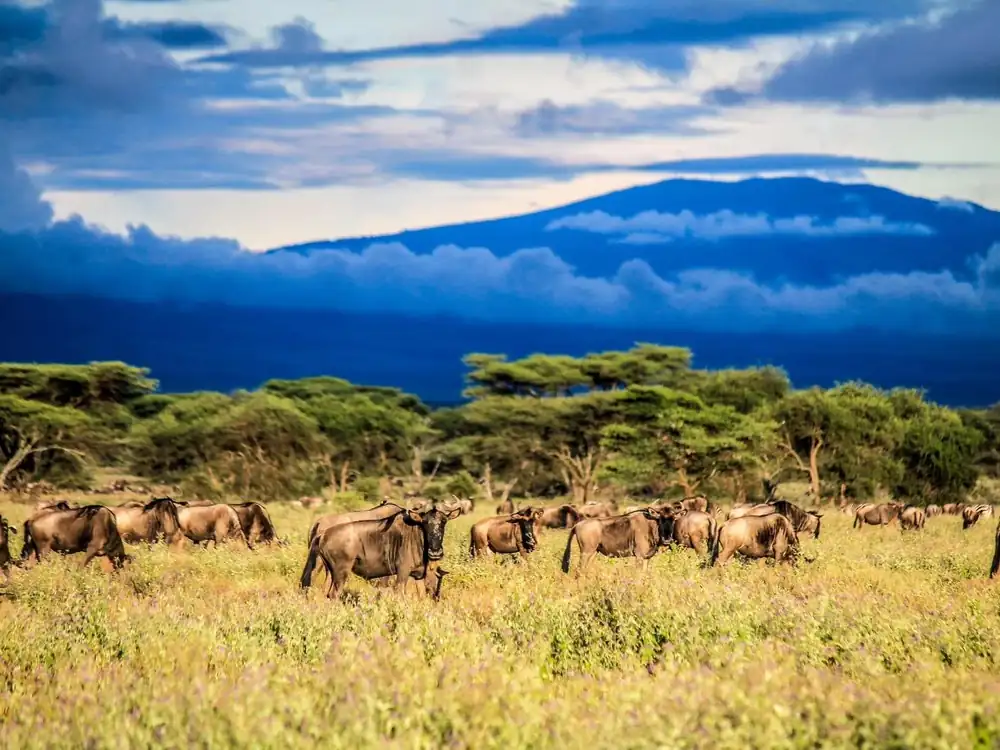
All year round, large herds of wildebeest and zebra move in a circle through the Serengeti ecosystem, always following the rain and fresh grass. At the start of the year the calves are born in the southern Serengeti; later the herds move west and north. Exactly where they are depends on the rain and varies slightly every year.

Wildlife is nature

Wild animals don't keep to a timetable. With the right season, the right areas and a little patience, your chances are very good.

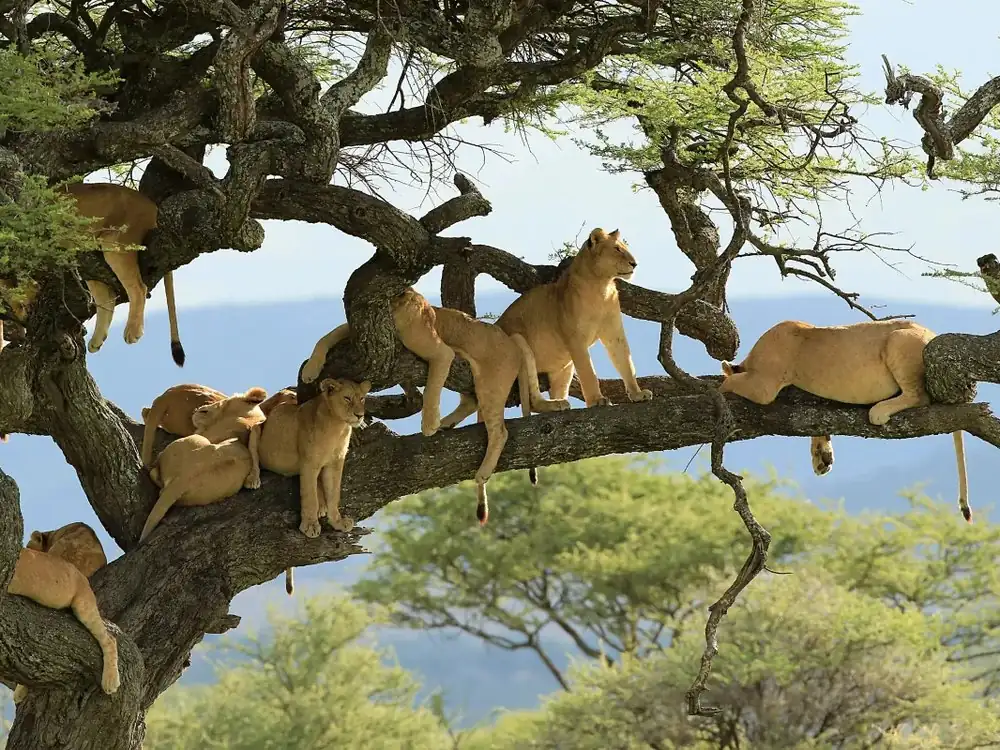
Lionesses resting in the branches of an acacia Herd of wildebeest in green grass in front of wooded hills and mountains
When is the best time?

The best time to visit Tanzania

Tanzania can be visited almost all year round. The long dry season lasts from about June to October, the short rains usually fall in November and December, and the long rains from March to May.
In the north a safari is also very possible in the rainy season, while many camps in the south close then.

JFMAMJJASOND
Safari in the north (Serengeti, Ngorongoro, Tarangire)
Calving season in the Ndutu area
Herds in the northern Serengeti
Safari in the south (Nyerere, Ruaha)
Chimpanzees in Mahale
idealgoodless typical

June to October: dry season

The vegetation is sparse and animals gather at rivers and waterholes – the classic safari season in both north and south. From July, the migration herds usually move into the northern Serengeti.

January to February: calving season

Most wildebeest calves are born in the southern Serengeti and the Ndutu area, often peaking in February. The landscape is green and predators are particularly active.

March to May: long rains

Rain falls more often and more heavily, and some tracks become difficult to drive. In the south many camps close; in the north most stay open – with lush green landscapes and few visitors.

Rain and migration don't follow a fixed calendar.
We're happy to advise which regions and which style of travel suit your dates.

Just your style

Travel styles and experiences

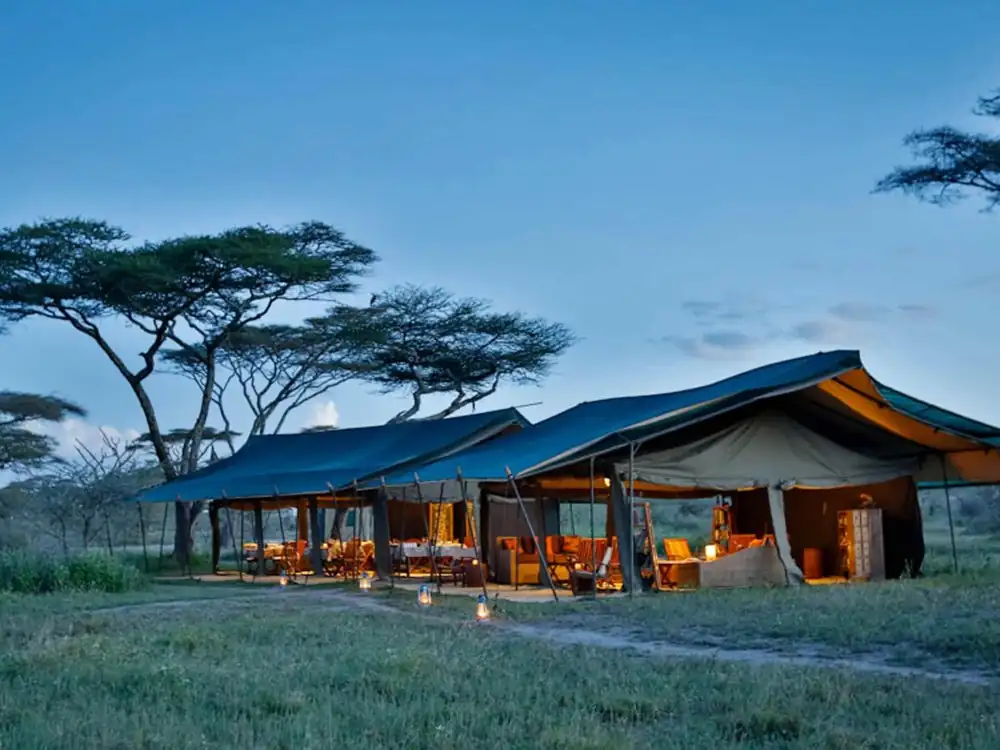
Illuminated safari tented camp beneath acacias at dusk

Lodge safari with your own guide

From pick-up at the airport until departure, your own guide accompanies you in a safari vehicle. You stay in selected lodges and camps and set the pace yourself.

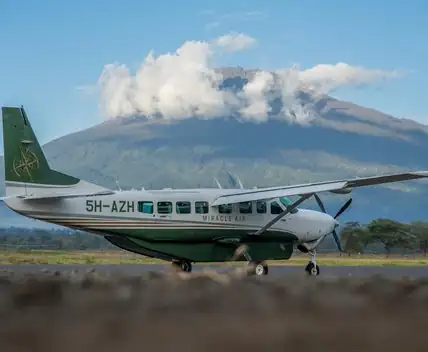
Light aircraft in front of Mount Meru

Combining national parks

The Serengeti, Ngorongoro and Tarangire lie on a classic route in the north. The south and west can also easily be added by light aircraft.

Our fly-in safaris
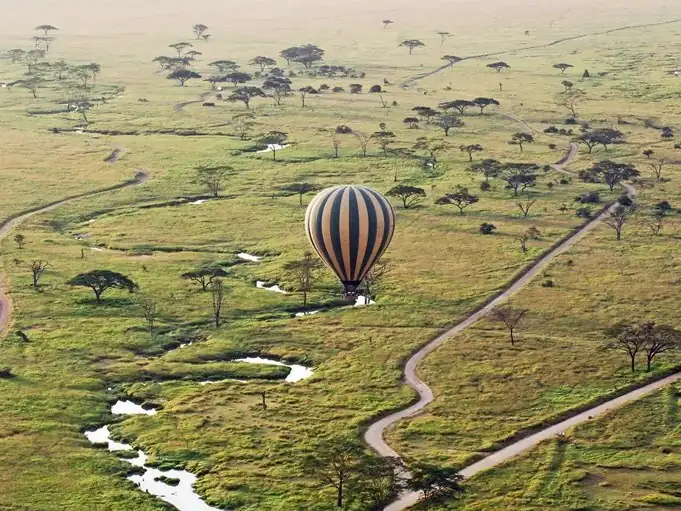
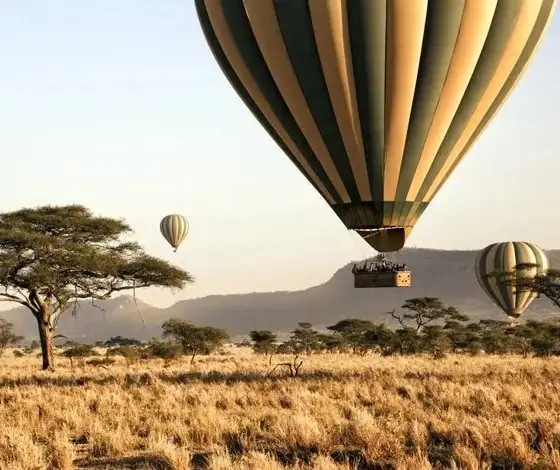
Hot-air balloon floating over the green savannah of the Serengeti

Special nature experiences

Balloon flights over the Serengeti, walks in the Crater Highlands or chimpanzees on Lake Tanganyika make your safari something very special.

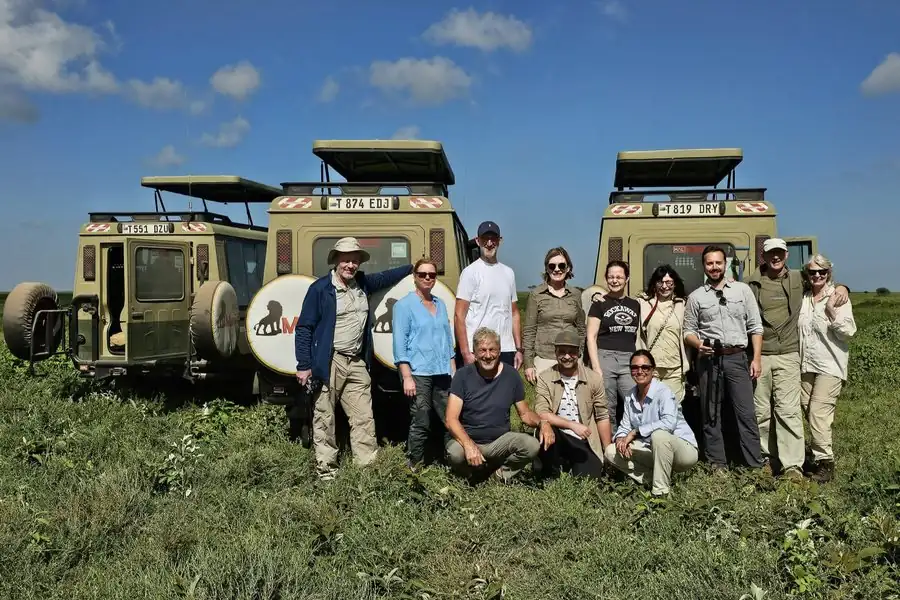
Safari Travel tour group in front of their safari vehicles in Tanzania

Small groups & Zanzibar

Experience Tanzania with a few like-minded travellers – or combine your safari with a few days on the beach in Zanzibar.

Our small group tours

Accommodation for every taste

From cosy lodges to classic tented camps and mobile camps that follow the migration:
we choose accommodation we know that suits your wishes and your budget.

Trip ideas

Our trip ideas for Tanzania

* Prices from, per person sharing a double room in the low season, excluding international flights.

See all trip ideas

One trip, many possibilities

Who is Tanzania for?

First-time safari-goersClassic safari with a high density of wildlife in the north.
Africa connoisseursQuiet parks in the south and remote camps.
Wildlife enthusiastsGreat Migration, big cats and elephants.
Nature loversSavannah, crater highlands and river landscapes.
PhotographersWide plains, baobabs and soft light.
CombinersSeveral safari areas in one trip, ideally with Zanzibar.
Personally recommended

Our insider tips for Tanzania

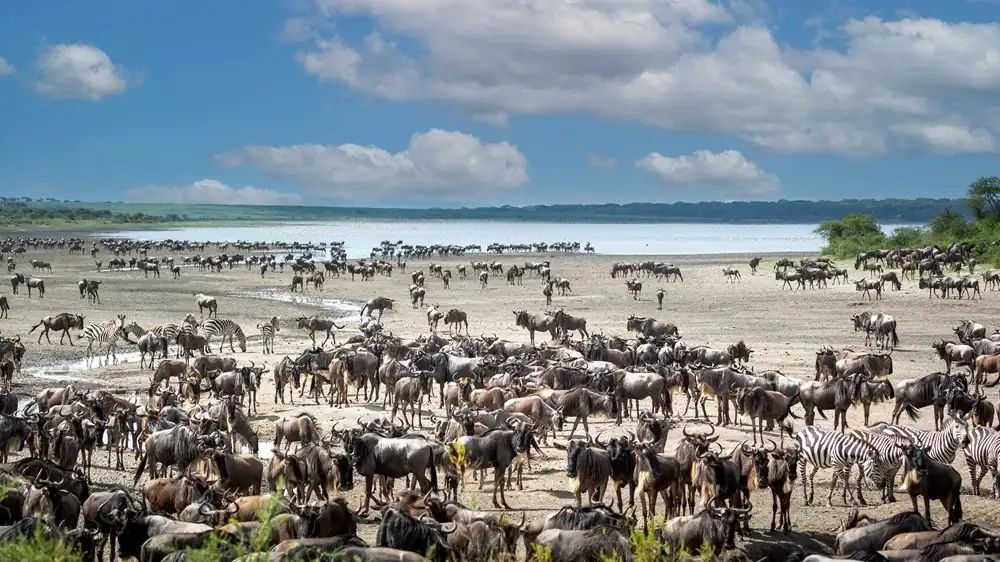
Large herds of wildebeest and zebra on the shore of Lake Ndutu
I

The Great Migration in the Ndutu area

At the start of the year, the herds gather on the green short-grass plains around Ndutu in the southern Serengeti. This is where most wildebeest calves are born, often peaking in February – and lions, cheetahs and hyenas follow the herds. Exactly where the herds are depends on the rain each year.

Hot-air balloons over the Serengeti in the morning light
II

By hot-air balloon over the Serengeti

Shortly after sunrise the balloons lift off and float silently over the savannah for around an hour – an unforgettable view of the vastness and the animals. In the central Serengeti flights run all year; in other areas such as Ndutu only seasonally. We recommend booking early.

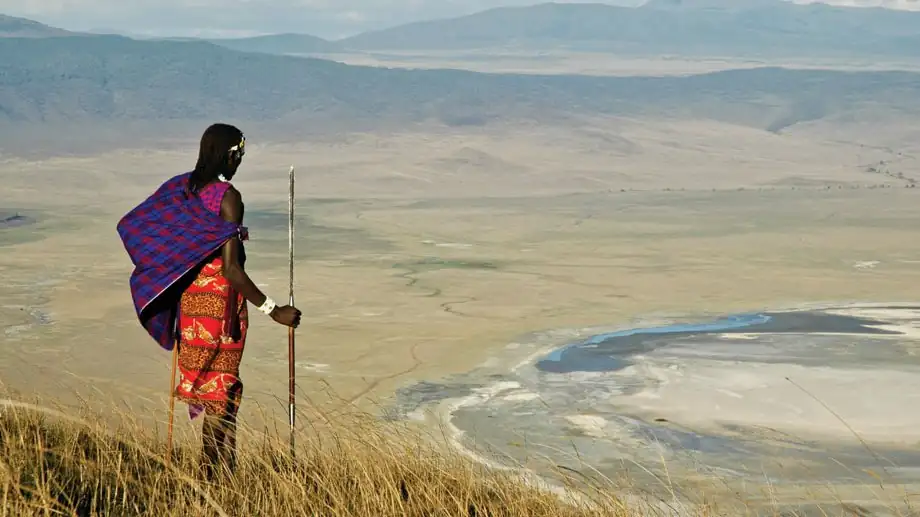
Maasai man looking down into the Ngorongoro Crater from the rim
III

Walking on the crater rim

On foot you experience the Ngorongoro Highlands from a completely different angle: through mountain forest and meadows with wide views into the crater. The walks are accompanied by a guide and an armed ranger and last around two to three hours depending on the route. Sure-footedness is an advantage.

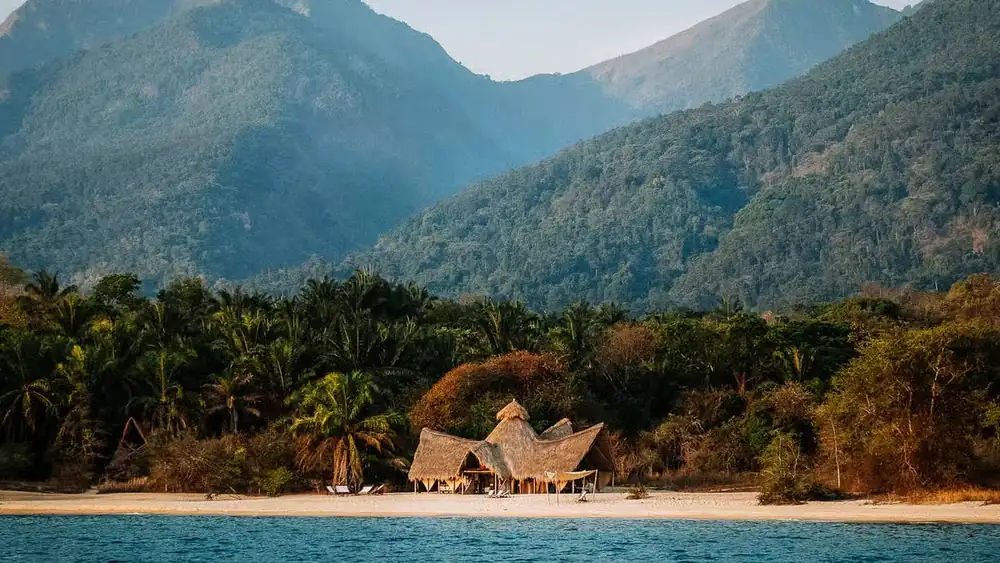
Greystoke Mahale camp on the sandy shore of Lake Tanganyika in front of the forested Mahale Mountains
IV

Greystoke Mahale on Lake Tanganyika

A luxurious, very remote camp: after the flight by light aircraft, a dhow takes you about an hour and a half to a white sandy beach in front of the forested Mahale Mountains. There are only six open bandas made of old dhow wood. In the morning, chimpanzee trekking leads into the forest; in the evening you enjoy a sundowner on the lake. Open from about June to mid-March.

nomad-tanzania.com
Good to know

Frequently asked questions about Tanzania

When is the best time to visit Tanzania?

The classic safari season is the long dry season from June to October. For the wildebeest calving season in the southern Serengeti and the Ndutu area, January and February are best. From July the herds usually move into the northern Serengeti. During the long rains from March to May, many camps in the south close, while most in the north stay open.

When and where can I see the Great Migration?

From January to February, during the calving season, the herds are usually in the Ndutu area and the southern Serengeti; from July in the northern Serengeti. But rain and migration don't follow a fixed calendar – we plan the camps to suit your travel dates.

How does a lodge safari in Tanzania work?

Your own guide picks you up at the airport and accompanies you in a safari vehicle until your departure. You stay in selected lodges and camps and set the pace yourself. The Serengeti, Ngorongoro and Tarangire lie on a classic route in the north; the south and west can be added by light aircraft.

What do I need to know about entering Tanzania?

German citizens need a visa – as an e-visa or on arrival – and, since October 2026, also mandatory entry insurance; requirements for other nationalities may differ. Please check the current rules with your government's travel advice before you travel – for German travellers, the Federal Foreign Office link is at the bottom of this page.

Entry, visas and health

Current entry requirements and vaccination recommendations are available from your government's travel advice service. For German travellers, the German Federal Foreign Office provides details and links to online visa applications.

Entry also requires mandatory state insurance. Which one you need depends on where you first enter: if you arrive on the mainland first, for example via Kilimanjaro or Dar es Salaam, the National Insurance Corporation (NIC) policy applies. If you land in Zanzibar first, the Zanzibar Insurance Corporation (ZIC) policy applies. It's best to buy it online before you travel.

Tanzania: travel advice from the German Federal Foreign Office (in German)
Africa, personally

Dreaming of Tanzania?

We don't do off-the-peg trips. Whether the Serengeti and Ngorongoro, the quiet parks of the south or both together: we put together every Tanzania trip around your wishes, the time you have and your budget. We look forward to planning your trip with you.