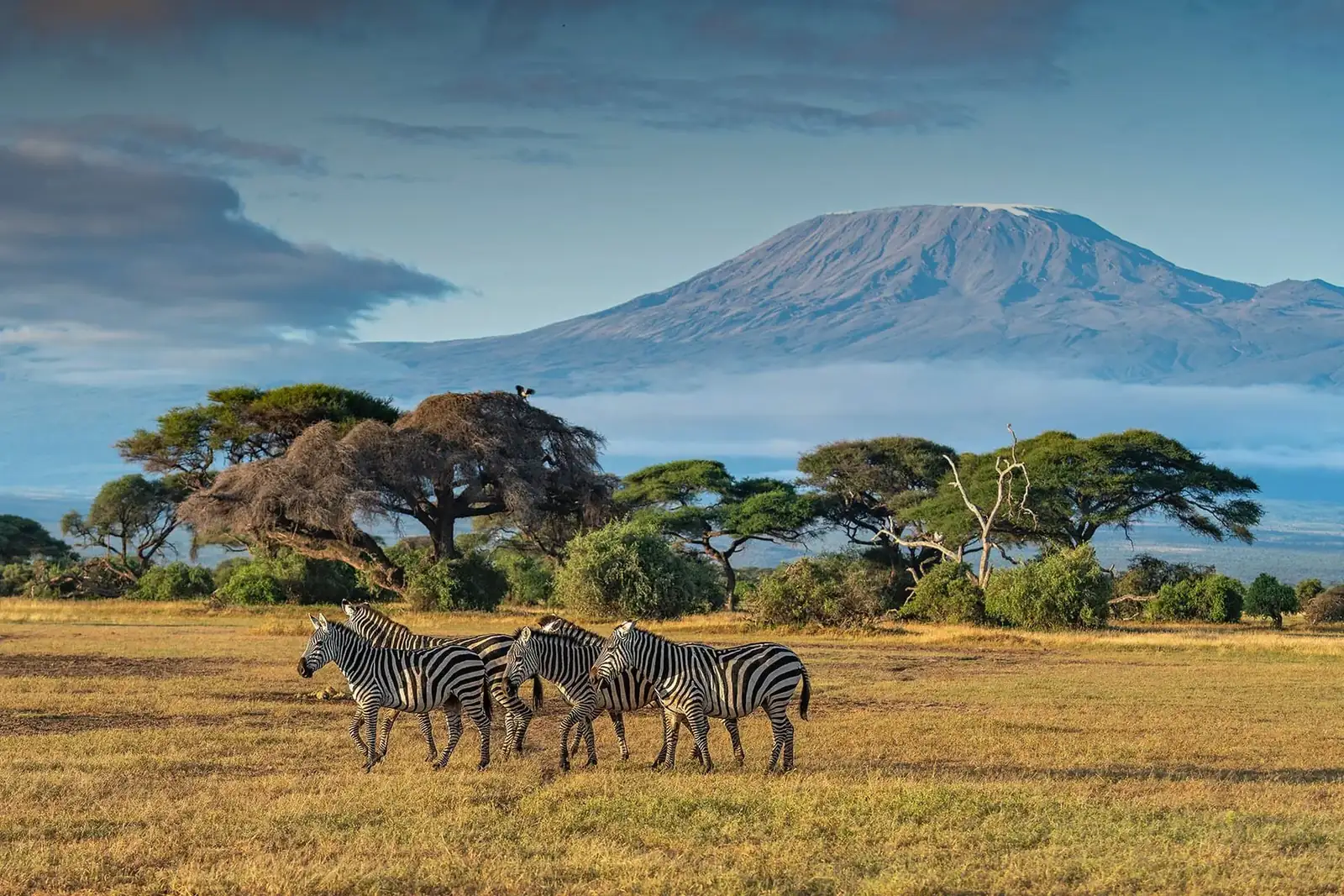
Zebras in front of Kilimanjaro in Amboseli
Home · Destinations · Kenya

Kenya – savannah, mountains and the Indian Ocean

In the Masai Mara, hundreds of thousands of wildebeest and zebras cross the plains, in Amboseli elephants wander against the backdrop of Kilimanjaro, and in the dry north you'll meet animals found almost nowhere else. Kenya is also astonishingly diverse: open savannah, the highlands around Mount Kenya, semi-desert, cloud forests and white beaches on the Indian Ocean.
A Kenya safari combines wonderfully with a few days by the sea.

East Africaon the Equator and the Indian Ocean
Nairobicapital and main airport
Kenyan shillingUS dollars are also often used in tourism
Swahili & Englishboth are official languages
eTA requiredtravel authorisation online in advance, plus mandatory health insurance since October 2026
+2 hoursduring the German winter, +1 hour in summer
Type Gsockets – bring a travel adapter
June to Octoberand January to February – best time for safaris
From the Masai Mara to Mount Kenya

Kenya's most beautiful regions

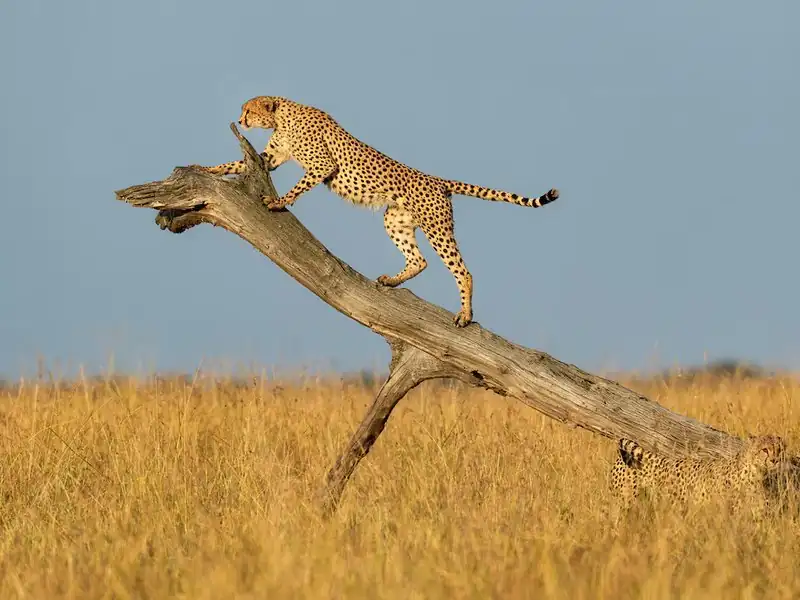
Cheetah on a fallen tree trunk in tall grass
Region I

Masai Mara

The Masai Mara is Kenya's best-known reserve: wide, open grassy plains, scattered acacias and the Mara River. Lions, cheetahs and leopards live here all year round. From around July to October, the herds of the Great Migration arrive from the Serengeti.
Around the reserve lie private conservancies with few camps and vehicles.

Walking safaris and night drives are usually possible in the conservancies.

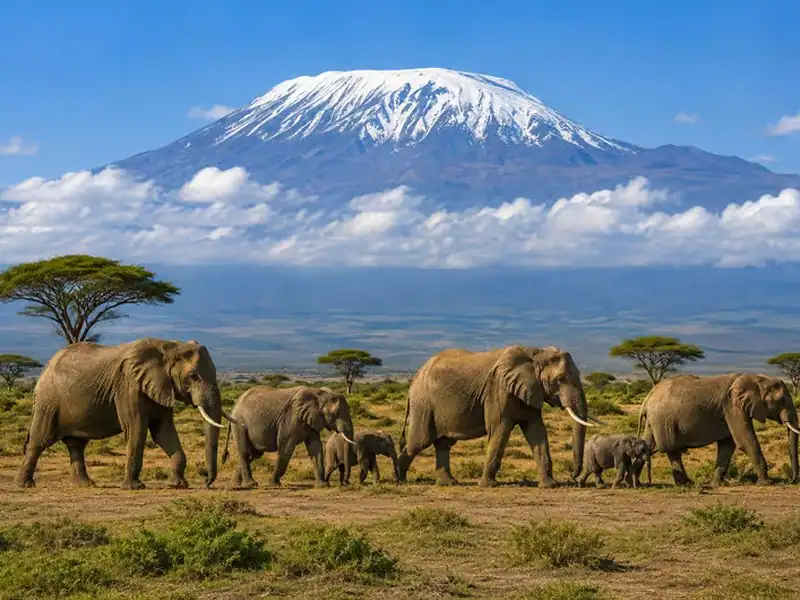
Elephant family in front of snow-capped Kilimanjaro
Region II

Amboseli National Park

Elephants in front of snow-capped Kilimanjaro – hardly any image says Africa quite like it. Amboseli National Park lies in southern Kenya on the border with Tanzania.
Groundwater from Kilimanjaro feeds springs and swamps here that attract animals all year round.
The elephants are well used to vehicles and can often be watched from close by.

Kilimanjaro is most likely to show itself early in the morning and late in the afternoon; during the day it often disappears into the clouds.

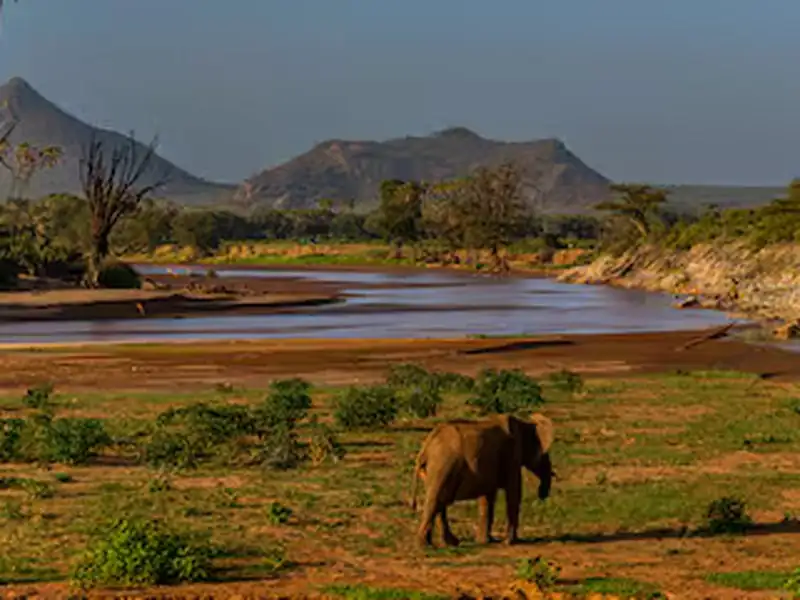
Elephant at the Ewaso Nyiro River in Samburu in front of mountains
Region III

Samburu

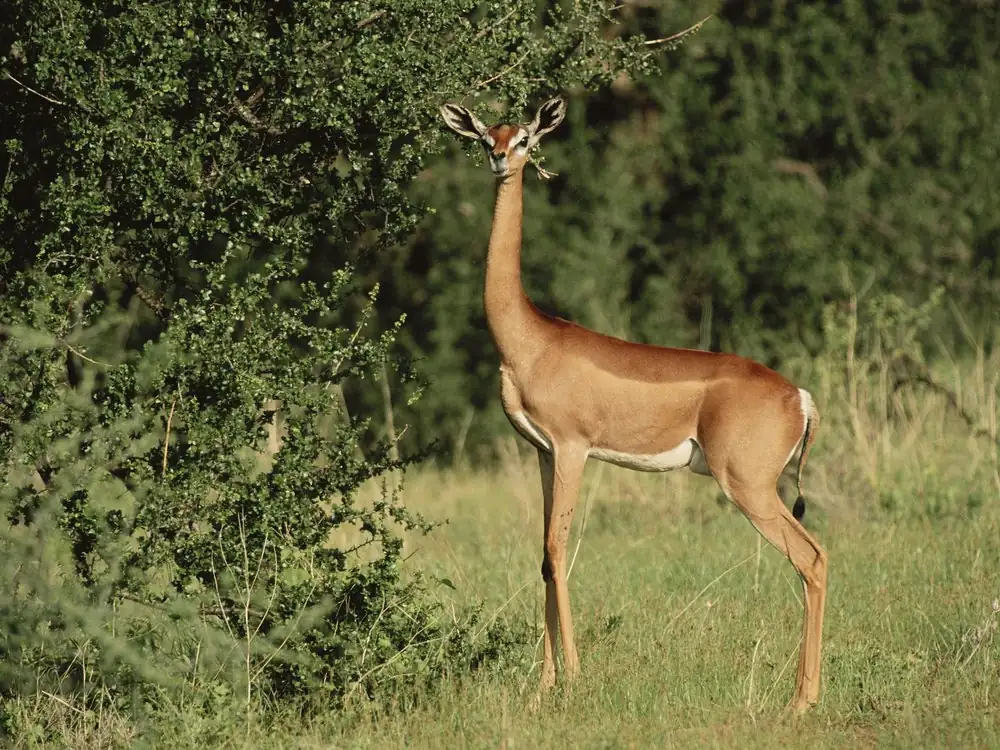
In the dry north, semi-desert, thornbush and the Ewaso Nyiro River shape the landscape. Samburu is home to the "Samburu Special Five": Grevy's zebra, reticulated giraffe, gerenuk, beisa oryx and Somali ostrich. Elephants gather at the river, and lions and leopards live here too.

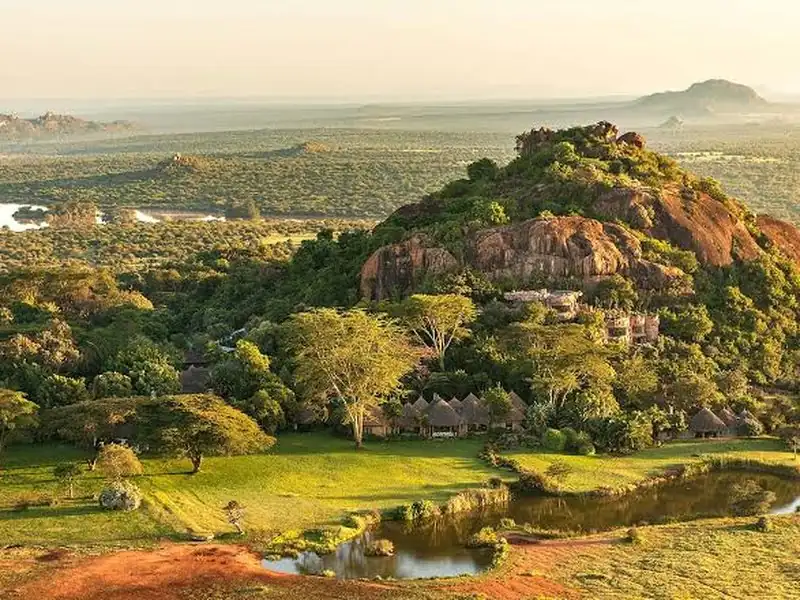
Lodge on a rocky hill in green bush country
Region IV

Laikipia

North and west of Mount Kenya stretches the Laikipia Plateau, a mosaic of private and community conservancies. Because national park rules don't apply here, walking safaris, night drives, horse rides and camel safaris are possible. Laikipia is an important place for rhino conservation in Kenya.

Ideal for anyone who wants to experience Africa away from the classic routes.

Experience the wilderness

Nature and wildlife

Kenya brings together very different landscapes in a small space: open savannah in the south, the highlands around Mount Kenya, dry semi-desert in the north, mountain forests and the coast with mangroves and coral reefs.
The variety of wildlife is correspondingly great – from lions, elephants and rhinos to rare species of the north and exceptionally rich birdlife.

The Great Migration

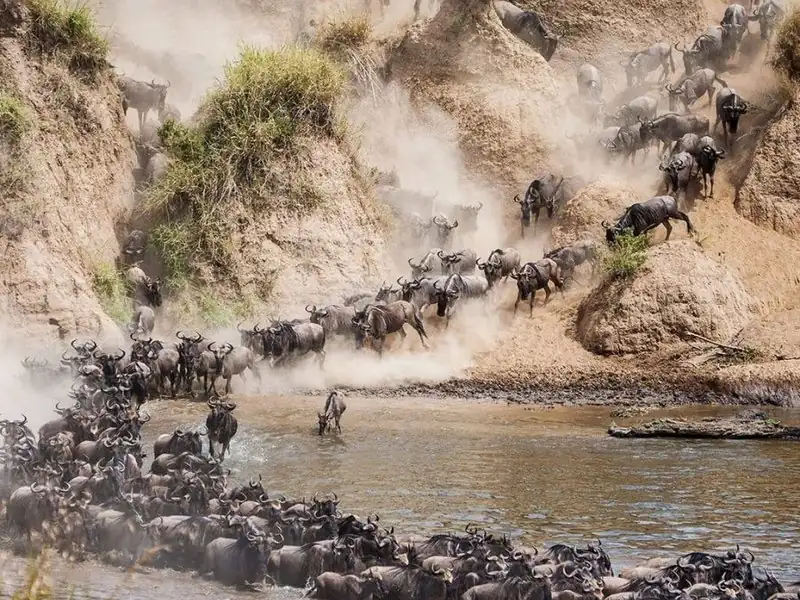
All year round, large herds of wildebeest and zebra move through the Serengeti–Masai Mara ecosystem, always following the rain and fresh grass. They are usually in Kenya between July and October, when the famous river crossings take place at the Mara River.
Exactly when and where is decided by nature every year.

Wildlife is nature

Wild animals don't keep to a timetable. With the right season, the right areas and a little patience, your chances are very good.

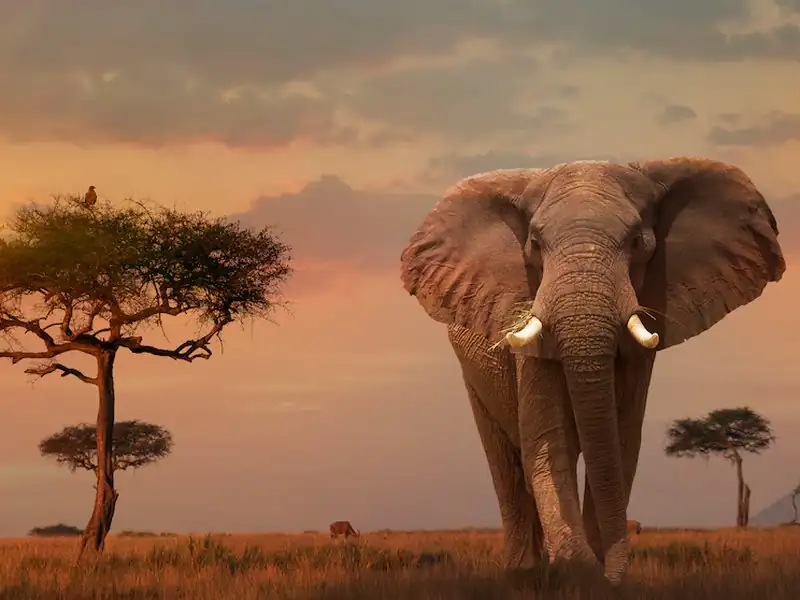
Elephant and acacia in the savannah in the evening light Wildebeest plunging into the Mara River during a river crossing Long-necked gerenuk in front of green bushes
When is the best time?

The best time to visit Kenya

Kenya can be visited almost all year round. The best time for safaris is the dry season from June to October, plus the mostly dry months of January and February.
The long rains fall from about March to May, the short rains usually in November and December.

JFMAMJJASOND
Safari (Masai Mara, Amboseli, Samburu, Laikipia)
Great Migration in the Masai Mara
Beach on the south coast
idealgoodless typical

June to October: dry season

Little rain, pleasant temperatures and good visibility – the classic safari season.
From July to October the migration herds are usually in the Masai Mara, with the river crossings mainly in August and September.

January to February: short dry season

Warm, often sunny and green after the short rains. A lovely, quieter time for safari and beach, with clear views of Kilimanjaro.

March to May: long rains

Rain falls more often and more heavily, some tracks become difficult and some camps close. The short rains in November and December usually bring shorter showers.

Rain and migration don't follow a fixed calendar.
We're happy to advise which regions suit your travel dates.

Just your style

Travel styles and experiences

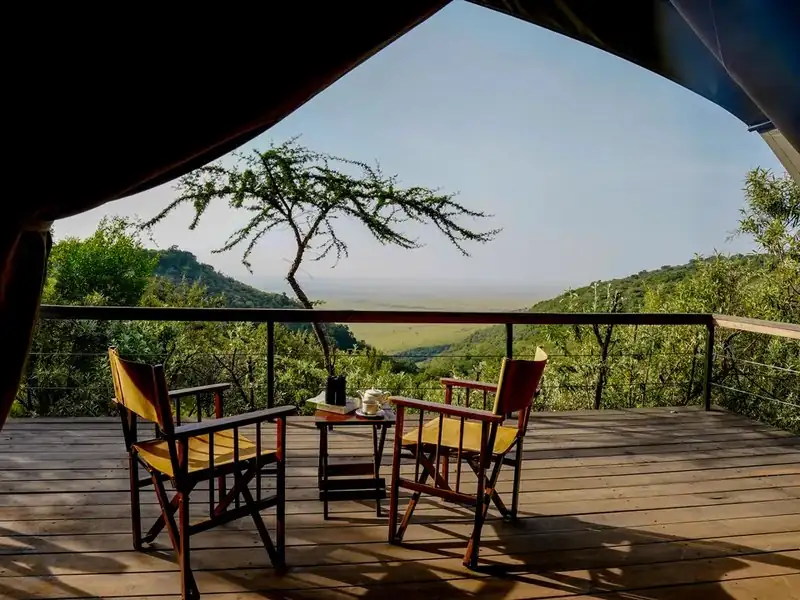
View from a safari tent onto a terrace above the savannah

Lodge and camp safaris

You stay in selected lodges and tented camps and go on game drives with the lodge's guides or with your own driver-guide – just as you prefer.

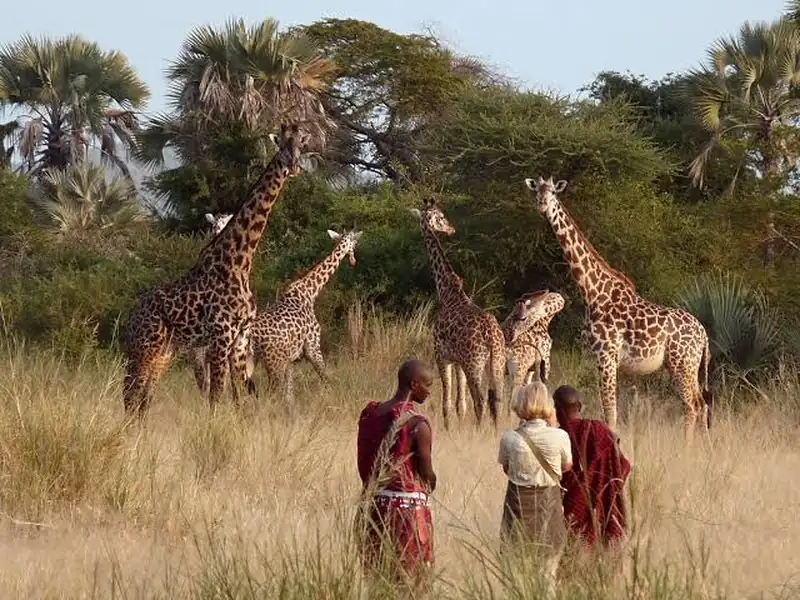
Walking safari with Maasai guides near giraffes

Private conservancies

In the conservancies of the Masai Mara and in Laikipia, only a few guests are about. Walking safaris, night drives and horse rides make the safari especially varied.

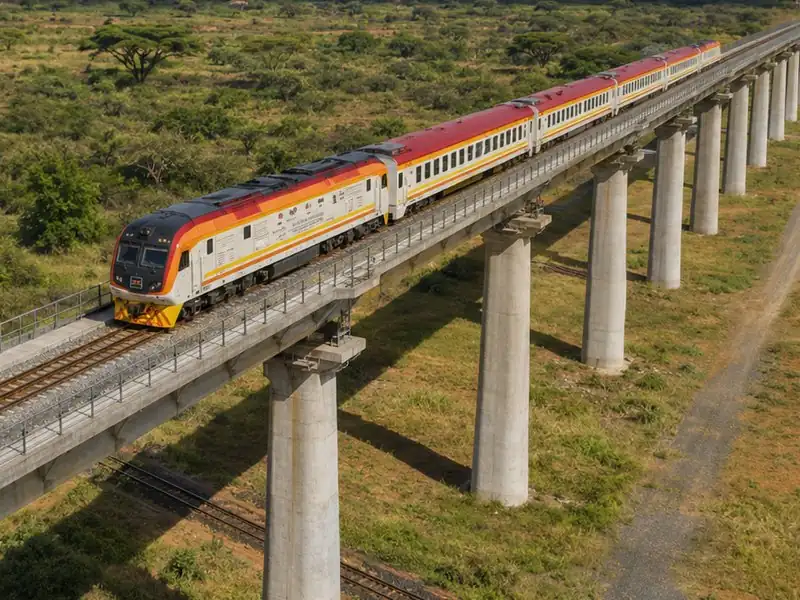
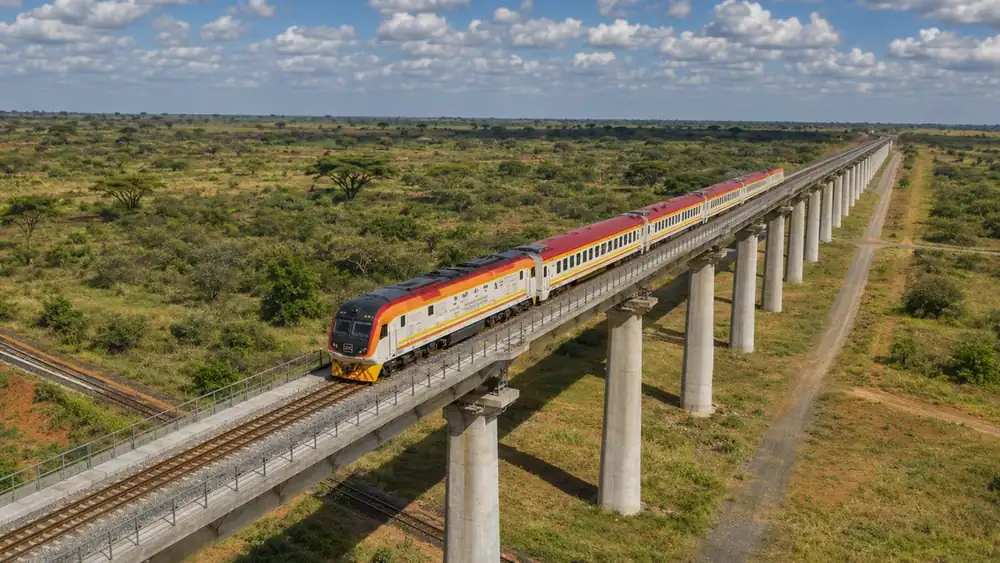
Train on a bridge in the savannah

Kenya by train

By Madaraka Express from Nairobi to the coast – a relaxed way to watch the landscape go by and combine safari and beach.

Our insider tip
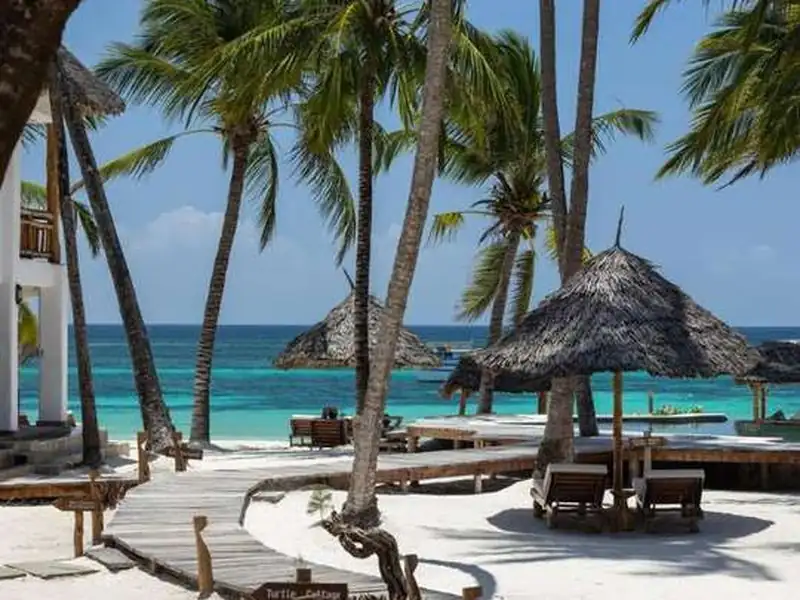
Beach hotel with palm trees and parasols by the turquoise sea

Safari and beach

After the safari, head to the sea – to the south coast around Diani with white beaches, coral reefs and warm water.

Romance & beach

Accommodation for every taste

From cosy lodges to classic tented camps in the conservancies and hotels on the Indian Ocean:
we choose accommodation we know that suits your wishes and your budget.

One trip, many possibilities

Who is Kenya for?

First-time safari-goersClassic safari with a high density of wildlife in the Masai Mara.
Africa connoisseursSamburu, Laikipia and quiet conservancies.
Wildlife enthusiastsMigration, big cats, elephants and rare species.
Nature loversSavannah, highlands, lava fields and cloud forest.
Active travellersOn foot, by bike or on horseback.
Safari & beachGame drives and the Indian Ocean in one trip.
Personally recommended

Our insider tips for Kenya

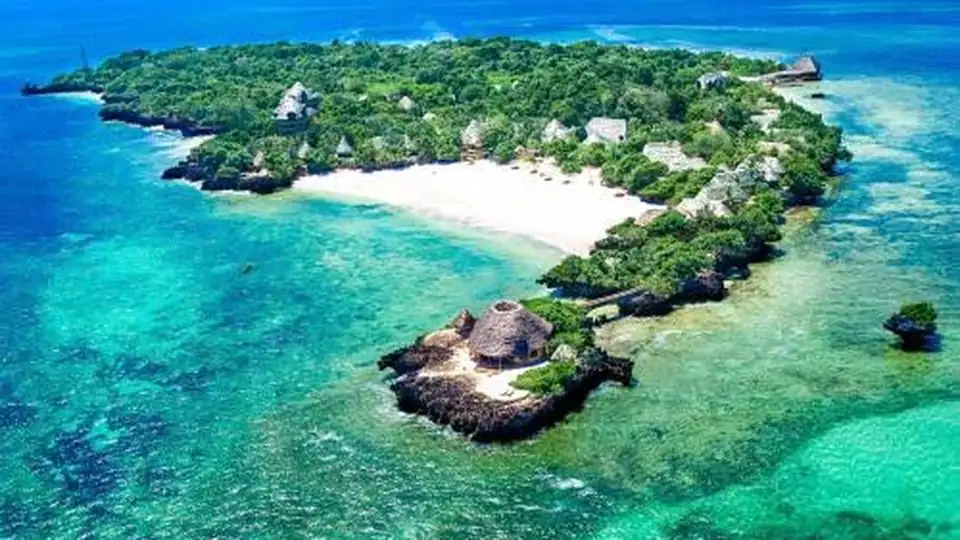
Aerial view of Chale Island with beach, forest and coral reef
I

Our favourite hotel: The Sands at Chale Island

Around ten kilometres south of Diani lies Chale Island, a small wooded island only about 600 metres off the coast.
Depending on the tide, a boat or a tractor takes you across. White beaches, coral reefs and a mangrove-fringed tidal lagoon surround the hotel – a wonderful place to unwind after your safari.

Train on a bridge across the savannah
II

Exploring Kenya by train

The Madaraka Express connects Nairobi with Mombasa on the coast. The express train takes around five hours and stops at places including Voi near Tsavo East National Park. From the window you watch the savannah go by, sometimes with animals too. We're happy to book the tickets for you. They become available around 60 days before travel, and trains are often fully booked early during holiday periods.

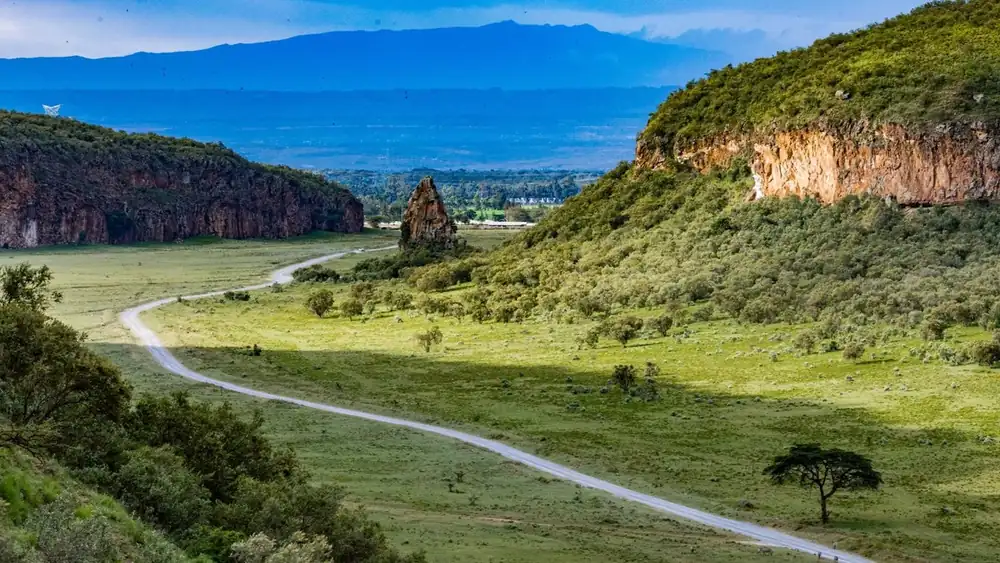
Valley with cliffs and a volcanic tower in Hell's Gate National Park
III

On foot or by bike through Hell's Gate

North-west of Nairobi, near Lake Naivasha, lies the small Hell's Gate National Park. It is one of only two national parks in Kenya where you may walk and cycle. Zebras and giraffes graze between steep cliffs and volcanic towers, and hot springs steam in the Ol Njorowa Gorge. You explore the gorge with a local guide.

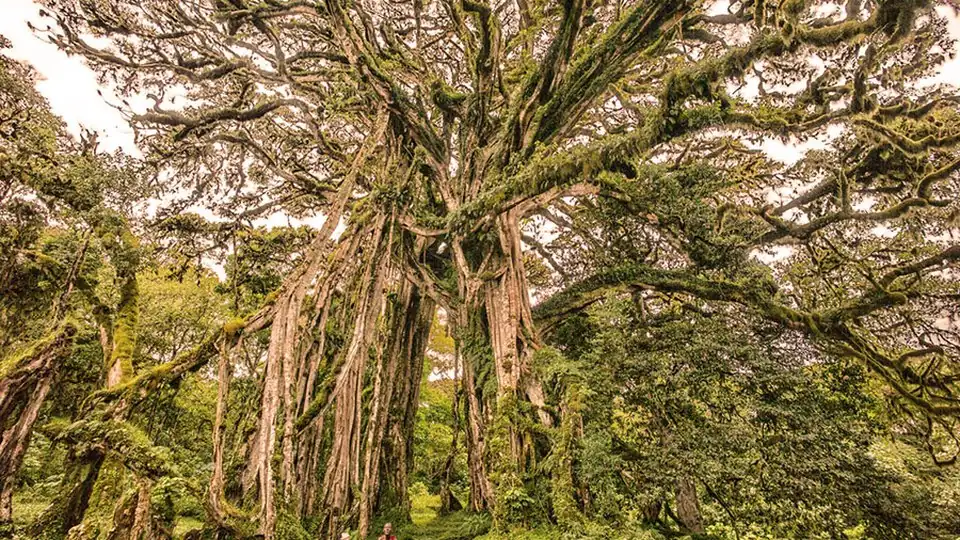
Huge moss-covered tree in the cloud forest
IV

Caves and cloud forest in the Chyulu Hills

Between Amboseli and Tsavo West rise the green Chyulu Hills, one of Africa's youngest volcanic landscapes. Cloud forest grows on the ridges, with lava tunnels running beneath. At around eleven kilometres, Leviathan Cave is one of the longest lava tubes in the world.
You explore a section with a guide – sure-footedness and a torch are needed.

Good to know

Frequently asked questions about Kenya

When is the best time to visit Kenya?

The best time for safaris is the dry season from June to October, plus the mostly dry months of January and February, often with clear views of Kilimanjaro. The long rains fall from about March to May, when some camps close. The short rains in November and December usually bring shorter showers.

When can I see the Great Migration in the Masai Mara?

Usually from July to October, with the river crossings mainly in August and September. But the migration doesn't follow a fixed calendar.

Will I travel with my own guide or with the lodge guides?

Both are possible. You go on game drives with the lodge's guides or travel from region to region with your own driver-guide. In the private conservancies of the Masai Mara and in Laikipia, walking safaris, night drives and horse rides are also possible.

Can safari and beach be combined in Kenya?

Yes. After the safari you can head to the south coast around Diani, for example. A lovely alternative to flying is the Madaraka Express train from Nairobi to the coast – we book the tickets for you.

What do I need to know about entering Kenya?

You need an electronic travel authorisation (eTA) applied for online in advance and, since October 2026, mandatory health insurance. Requirements may vary by nationality – please check the current rules with your government's travel advice before you travel. For German travellers, the Federal Foreign Office link is at the bottom of this page.

Entry, visas and health

Current entry requirements and vaccination recommendations are available from your government's travel advice service. For German travellers, the German Federal Foreign Office provides details and links to online visa applications.

Kenya: travel advice from the German Federal Foreign Office (in German)
Africa, personally

Dreaming of Kenya?

We don't do off-the-peg trips. Whether the migration in the Masai Mara, elephants in Amboseli, the wild north or safari and beach together: we put together every Kenya trip around your wishes, the time you have and your budget.
We look forward to planning your trip with you.